Courses

22 Courses. Seven Departments. One Academy.

Air traffic services, AIM/CNS, flight dispatcher, cabin crew, RPAS, safety and simulator engineering — each with a published planning basis and knowledge / practical / assessment hours.

7 courses

Air Traffic Services

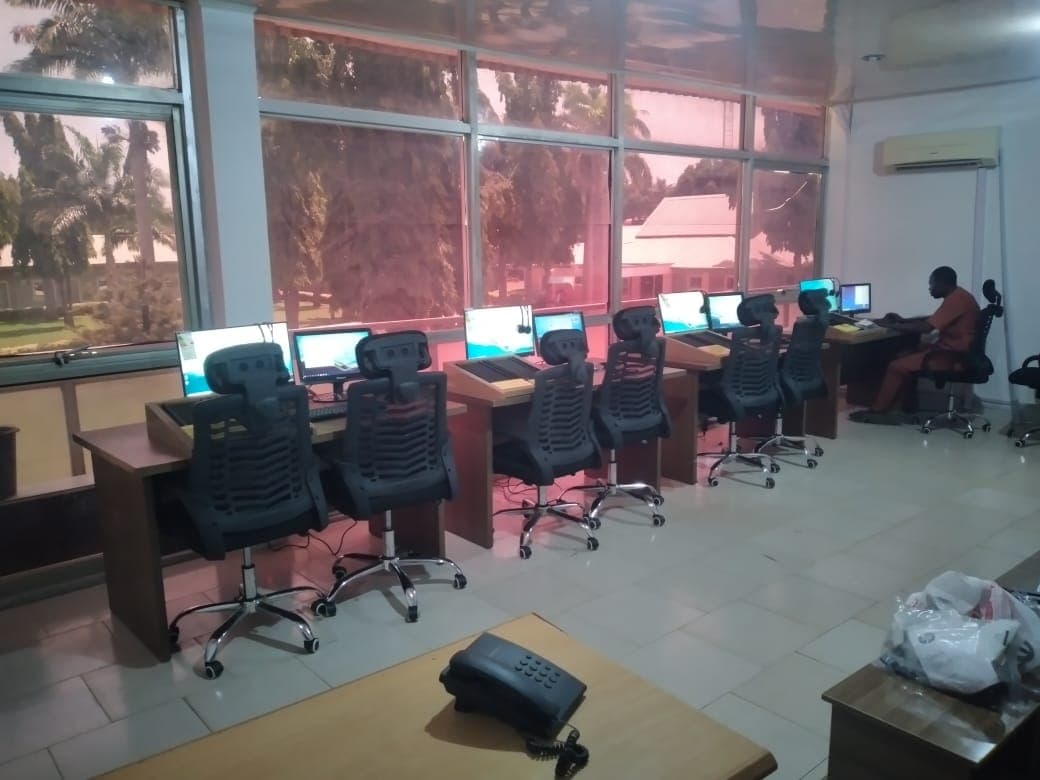
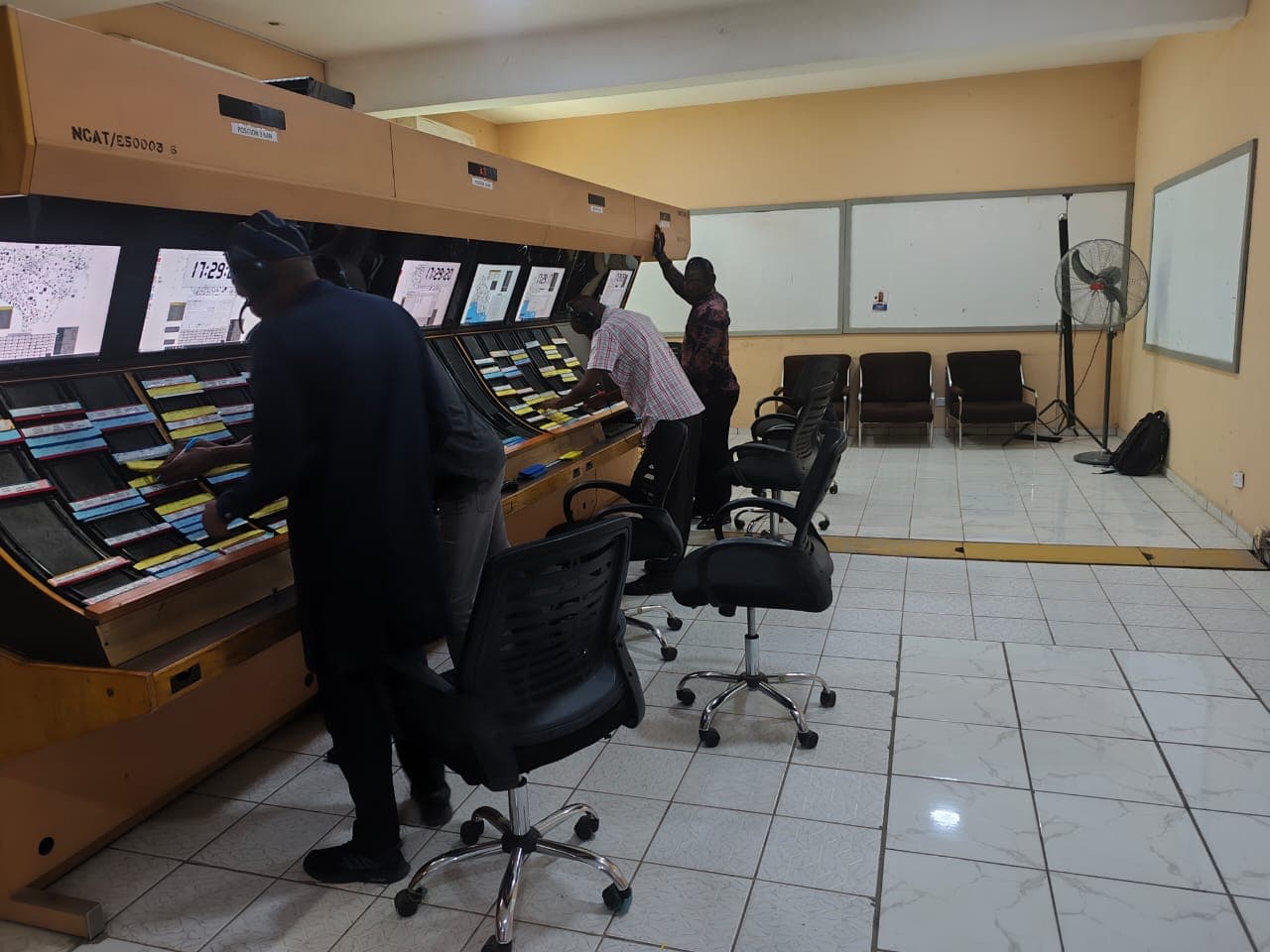
From Basic ATC through aerodrome, approach, area and radar control — plus simulator instructor and pseudo-pilot support courses.

Basic Air Traffic Control Course
AMA-ATS-001

Air Traffic Services

Basic Air Traffic Control Course

A 12-week foundation programme covering ATC principles, air law, meteorology, navigation, aerodrome and approach fundamentals, ICAO phraseology and human performance. Knowledge, practical exercises and assessment are scheduled across 480 contact hours — the starting point for aerodrome, approach, area and surveillance ratings.

Duration
12 weeks / approximately 480 contact hours
12 weeks; 480 scheduled contact hours (40 hours per week).
270
Knowledge
156
Practical
54
Assessment
480
Total hours

Entry Requirements

  • Minimum age 18 years
  • 5 credits in WAEC/NECO including English, Mathematics and Physics
  • Medical fitness for air traffic control duties
  • English language proficiency suitable for ICAO radiotelephony
480 contact hours over 12 weeksKnowledge, practical and assessment splitPathway into aerodrome, approach, area and radar coursesICAO phraseology and ATC procedures
Apply for ATS-001
Aerodrome Control Course
AMA-ATS-002

Air Traffic Services

Aerodrome Control Course

An 8-week aerodrome control rating course covering tower procedures, runway and ground movement, visual control techniques, emergency handling and progressive tower simulation. 320 scheduled contact hours, with a strong practical weighting so you leave ready for live tower environments.

Duration
6–8 weeks, including progressive tower simulation
8 weeks; 320 scheduled contact hours.
122
Knowledge
160
Practical
38
Assessment
320
Total hours

Entry Requirements

  • Successful completion of Basic Air Traffic Control (AMA-ATS-001) or equivalent approved ATC foundation
  • Medical fitness for air traffic control duties
  • English language proficiency suitable for ICAO radiotelephony
Progressive tower simulation160 practical hoursRunway, ground and visual controlEmergency and unusual-situation handling
Apply for ATS-002
Approach Control Procedural Course
AMA-ATS-003

Air Traffic Services

Approach Control Procedural Course

Eight weeks of procedural approach control covering arrival and departure sequencing, holding, non-radar separation, coordination with tower and area, and approach simulation. 320 contact hours with substantial practical time on procedural exercises.

Duration
8 weeks
8 weeks; 320 scheduled contact hours.
124
Knowledge
152
Practical
44
Assessment
320
Total hours

Entry Requirements

  • Basic Air Traffic Control (AMA-ATS-001) or equivalent approved ATC foundation
  • Aerodrome Control (AMA-ATS-002) recommended
  • Medical fitness for air traffic control duties
Procedural (non-radar) approachHolding, sequencing and separation152 practical hoursCoordination with tower and area
Apply for ATS-003
Area Control Procedural Course
AMA-ATS-004

Air Traffic Services

Area Control Procedural Course

A 10-week area control procedural course covering FIR sectorisation, en-route separation, coordination, contingency procedures and area simulation. 400 contact hours, with 220 hours of practical work — the heaviest practical load in the procedural stream.

Duration
8–10 weeks
10 weeks; 400 scheduled contact hours.
140
Knowledge
220
Practical
40
Assessment
400
Total hours

Entry Requirements

  • Basic Air Traffic Control (AMA-ATS-001) or equivalent approved ATC foundation
  • Approach Control Procedural (AMA-ATS-003) recommended
  • Medical fitness for air traffic control duties
10 weeks / 400 contact hours220 practical hoursFIR sector and en-route proceduresArea control simulation
Apply for ATS-004
Surveillance/Radar Control Course
AMA-ATS-005

Air Traffic Services

Surveillance/Radar Control Course

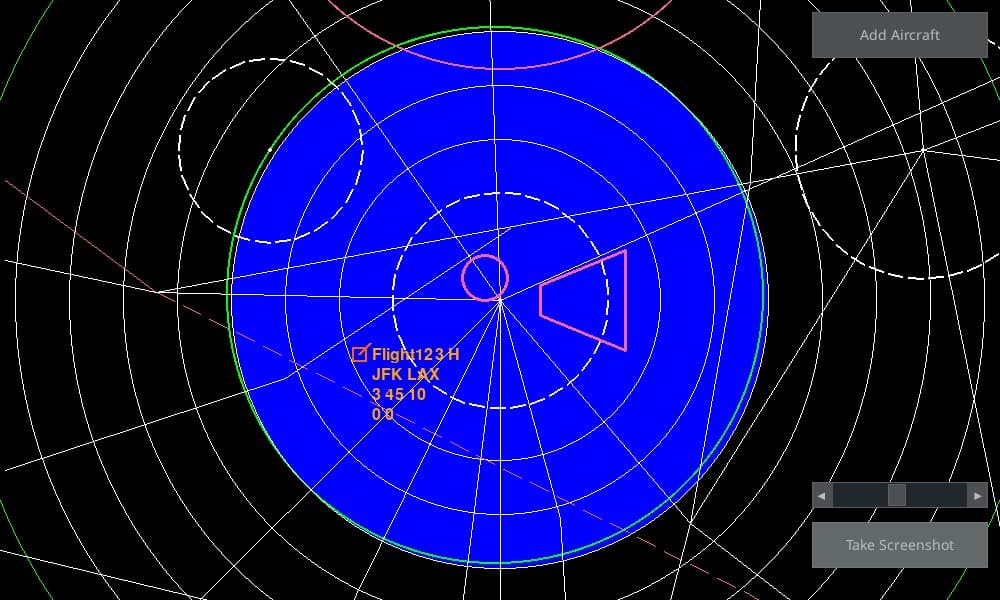
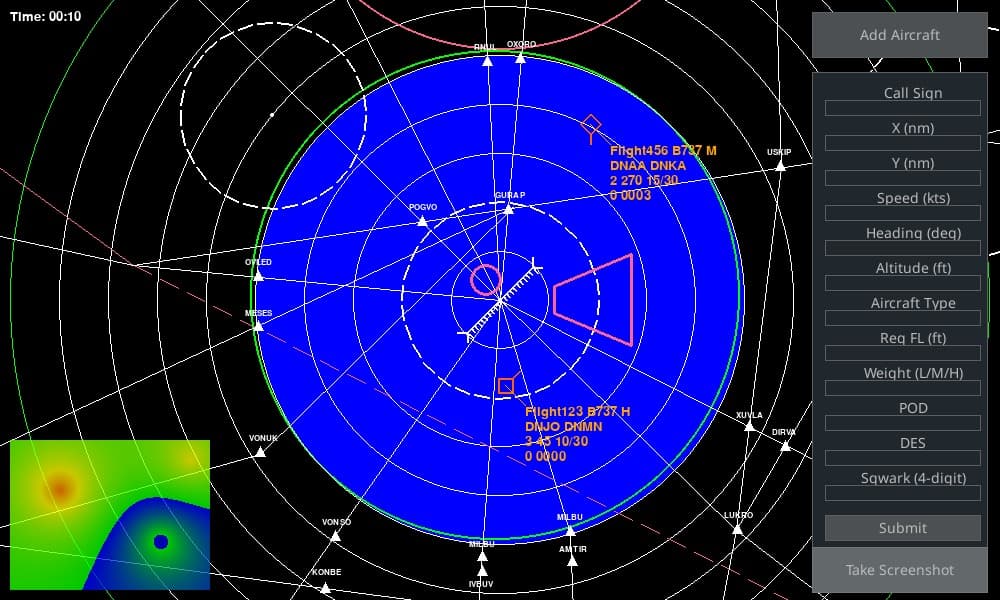
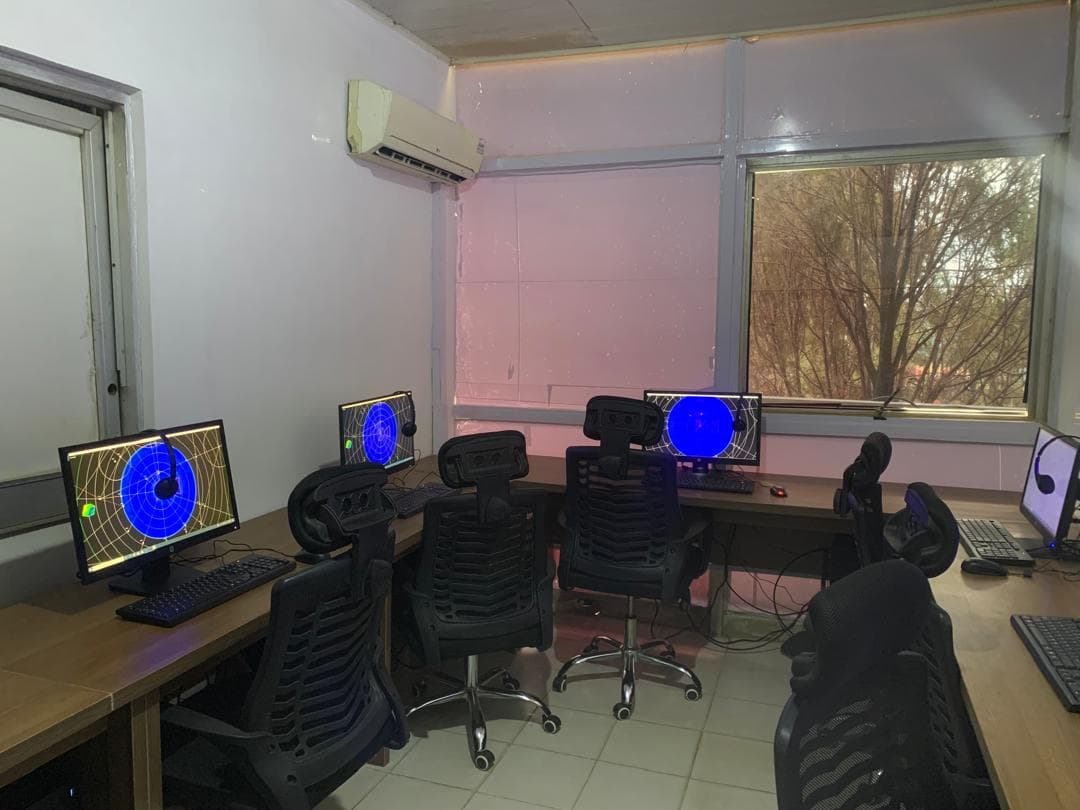
Ten weeks of surveillance/radar control covering identification, vectoring, radar separation, speed control, emergency descents and high-intensity simulator practice. 400 contact hours with 220 practical hours on the radar simulator.

Duration
8–10 weeks with substantial simulator hours
10 weeks; 400 scheduled contact hours.
136
Knowledge
220
Practical
44
Assessment
400
Total hours

Entry Requirements

  • Basic Air Traffic Control (AMA-ATS-001) or equivalent approved ATC foundation
  • Approach or Area Control Procedural course (AMA-ATS-003 or AMA-ATS-004) recommended
  • Medical fitness for air traffic control duties
Radar simulator-intensive220 practical hoursVectoring, identification and radar separationEmergency and high-workload scenarios
Apply for ATS-005
ATC Simulator Instructor Course
AMA-ATS-006

Air Traffic Services

ATC Simulator Instructor Course

Ten training days (60 contact hours) developing instructional technique for tower and radar simulators: lesson design, scenario building, briefing and debriefing, and assessing trainee performance in simulated ATC environments.

Duration
5–10 days
10 training days; 60 contact hours.
24
Knowledge
28
Practical
8
Assessment
60
Total hours

Entry Requirements

  • Qualified air traffic controller with operational experience
  • Prior completion of relevant AMA ATS rating courses or equivalent
  • Nomination by an ATS unit or training organisation preferred
10 days / 60 contact hoursScenario design and debriefingTower and radar sim instructional techniqueTrainee assessment methods
Apply for ATS-006
Pseudo-Pilot Course
AMA-ATS-007

Air Traffic Services

Pseudo-Pilot Course

Five training days (30 hours) plus at least 20 hours of supervised live practice. You will learn to role-play pilots in the simulator, generate realistic traffic, use standard phraseology and support controller training sessions. Total planning basis: 50 hours.

Duration
5 days plus supervised practice
5 training days (30 hours) plus at least 20 hours supervised live practice; total planning basis 50 hours.
15
Knowledge
28
Practical
7
Assessment
50
Total hours

Entry Requirements

  • English language proficiency suitable for ICAO radiotelephony
  • Interest in ATC simulation support; prior aviation knowledge is an advantage
  • Availability for supervised live practice after classroom training
50-hour planning basis20+ hours supervised live practiceRadiotelephony and traffic generationSupports ATC simulator training
Apply for ATS-007
1 course

Simulator & Technical Training

Technical training for engineers who operate and maintain radar simulator systems.

Radar Simulator Engineer Course
AMA-TECH-001

Simulator & Technical Training

Radar Simulator Engineer Course

Ten training days (60 hours) plus 40 hours of supervised technical tasks. Covers simulator architecture, exercise loading, network and display systems, fault-finding and routine maintenance. Total planning basis: 100 hours.

Duration
10 days plus supervised technical tasks
10 training days (60 hours) plus 40 hours supervised technical tasks; total planning basis 100 hours.
32
Knowledge
58
Practical
10
Assessment
100
Total hours

Entry Requirements

  • Engineering, ICT or avionics background (ND/HND/degree or equivalent experience)
  • Comfort with networked computer systems
  • Nomination by a training organisation or ATS unit preferred
100-hour planning basis58 practical / technical hoursFault-finding and system configurationSupervised technical tasks
Apply for TECH-001
2 courses

AIM/CNS

Aeronautical information management and CNS/ATM fundamentals for the systems that keep air navigation running.

Basic Aeronautical Information Management Course
AMA-AIM-001

AIM/CNS

Basic Aeronautical Information Management Course

Six weeks (240 contact hours) covering AIS/AIM concepts, AIP production, NOTAM, pre-flight information, charting, data integrity and quality management. Balanced knowledge and practical work prepares you for AIM units and related CNS/ATM roles.

Duration
4–6 weeks
6 weeks; 240 scheduled contact hours.
102
Knowledge
104
Practical
34
Assessment
240
Total hours

Entry Requirements

  • Minimum age 18 years
  • 5 credits in WAEC/NECO including English and Mathematics
  • Interest in aeronautical data, charts and flight information
6 weeks / 240 contact hoursAIP, NOTAM and chartingData quality and integrityBalanced knowledge and practical hours
Apply for AIM-001
CNS/ATM Fundamentals Course
AMA-CNS-001

AIM/CNS

CNS/ATM Fundamentals Course

Ten training days (60 contact hours) covering CNS/ATM architecture, comms and navaids, surveillance sensors, ATM automation and how these systems support air traffic services. Knowledge-heavy, with practical demonstrations of system concepts.

Duration
5–10 days
10 training days; 60 contact hours.
40
Knowledge
16
Practical
4
Assessment
60
Total hours

Entry Requirements

  • Aviation, engineering or ICT background preferred
  • Open to ATS, AIM, airport and airline technical staff
  • English language proficiency for technical instruction
10 days / 60 contact hoursComms, navaids and surveillanceATM automation overviewSuitable for technical and ATS staff
Apply for CNS-001
1 course

Flight Operations

Flight dispatcher initial training aligned with Nig.CARs Part 2 where applicable.

Flight Dispatcher Initial Course
AMA-FD-001

Flight Operations

Flight Dispatcher Initial Course

Twelve weeks (480 contact hours) covering meteorology, navigation, aircraft performance, mass and balance, flight planning, regulations and operational control. Followed by the supervised experience required by Nig.CARs Part 2 where applicable.

Duration
6–12 weeks subject to approved curriculum
12 weeks; 480 scheduled contact hours, followed by the supervised experience required by Nig.CARs Part 2 where applicable.
260
Knowledge
160
Practical
60
Assessment
480
Total hours

Entry Requirements

  • Minimum age 18 years
  • 5 credits in WAEC/NECO including English, Mathematics and Physics
  • English language proficiency for operational flight documentation
  • Medical fitness as required for dispatcher duties
480 contact hours over 12 weeksNig.CARs Part 2 pathway where applicableFlight planning and operational control260 knowledge hours plus practical exercises
Apply for FD-001
4 courses

Safety & Human Performance

Short professional courses in SMS, safety risk management, human factors/TRM and aviation security awareness.

Safety Management Systems Course
AMA-SAF-001

Safety & Human Performance

Safety Management Systems Course

Five training days (30 contact hours) introducing ICAO Annex 19 / SMS frameworks: safety policy, risk management, safety assurance and safety promotion, with practical exercises tailored to Nigerian operators and training organisations.

Duration
3–5 days
5 training days; 30 contact hours.
13
Knowledge
15
Practical
2
Assessment
30
Total hours

Entry Requirements

  • Open to aviation personnel, safety officers and managers
  • No prior SMS qualification required
  • English language proficiency for classroom instruction
5 days / 30 contact hoursICAO SMS four-pillar frameworkPractical risk and reporting exercisesSuitable for operators and training organisations
Apply for SAF-001
Safety Risk Management Course
AMA-SAF-002

Safety & Human Performance

Safety Risk Management Course

Three training days (18 contact hours) going deeper than SMS awareness: hazard identification, risk matrices, bow-tie and mitigation planning, with worked examples from ATS, flight operations and aerodrome environments.

Duration
2–3 days
3 training days; 18 contact hours.
6
Knowledge
10
Practical
2
Assessment
18
Total hours

Entry Requirements

  • SMS awareness (AMA-SAF-001) or equivalent operational safety experience recommended
  • Open to safety, quality and operational staff
3 days / 18 contact hoursHazard identification and risk matricesPractical mitigation workshopsATS, ops and aerodrome examples
Apply for SAF-002
Human Factors and Team Resource Management Course
AMA-HF-001

Safety & Human Performance

Human Factors and Team Resource Management Course

Three training days (18 contact hours) covering human factors, threat and error management, communication, workload, fatigue and TRM practices for multi-person aviation operations.

Duration
2–3 days
3 training days; 18 contact hours.
8
Knowledge
8
Practical
2
Assessment
18
Total hours

Entry Requirements

  • Open to ATS, cabin crew, dispatch, engineering and airport staff
  • No prior HF qualification required
3 days / 18 contact hoursTRM and threat-and-error managementCommunication and workloadCross-discipline aviation teams
Apply for HF-001
Aviation Security Awareness Course
AMA-AVSEC-001

Safety & Human Performance

Aviation Security Awareness Course

Three training days (18 contact hours) for the full awareness programme covering threats, access control, screening concepts, insider risk and reporting. Target-group variants may be shorter only when approved.

Duration
1–3 days depending on target group
3 training days; 18 contact hours for the full awareness programme. Target-group variants may be shorter only when approved.
10
Knowledge
6
Practical
2
Assessment
18
Total hours

Entry Requirements

  • Open to airport, airline, ATS and academy staff requiring AVSEC awareness
  • Valid means of identification
Full programme: 3 days / 18 hoursThreats, access and reportingApproved shorter variants for some groupsAwareness-level — not a screener qualification
Apply for AVSEC-001
3 courses

RPAS

Remotely piloted aircraft systems: foundation, remote pilot initial, and operations/instructor training.

RPAS Foundation Course
AMA-RPAS-001

RPAS

RPAS Foundation Course

Five training days (30 contact hours) introducing RPAS categories, Nigerian regulatory context, airspace, weather, human factors and basic operational planning. The recommended first step before Remote Pilot Initial.

Duration
5 days
5 training days; 30 contact hours.
18
Knowledge
10
Practical
2
Assessment
30
Total hours

Entry Requirements

  • Minimum age 18 years (or as required for the intended RPAS privilege)
  • English language proficiency for classroom instruction
  • No prior drone experience required
5 days / 30 contact hoursRegulations, airspace and safetyPathway to Remote Pilot InitialOpen to beginners
Apply for RPAS-001
Remote Pilot Initial Course
AMA-RPAS-002

RPAS

Remote Pilot Initial Course

Four weeks (160 contact hours) covering RPAS theory, flight planning, practical flying, emergency procedures and assessment. Aircraft- and category-specific extensions are added according to the privilege sought and the approved course specification.

Duration
2–6 weeks depending on aircraft category and privilege sought
Core planning basis: 4 weeks; 160 contact hours. Aircraft/category-specific extensions shall be stated in the approved course specification.
62
Knowledge
74
Practical
24
Assessment
160
Total hours

Entry Requirements

  • RPAS Foundation (AMA-RPAS-001) or equivalent introductory knowledge recommended
  • Minimum age and medical fitness as required for the intended aircraft category
  • English language proficiency for radiotelephony and documentation
4 weeks / 160 contact hours74 practical hoursCategory extensions as approvedFlight planning and emergency procedures
Apply for RPAS-002
RPAS Operations Management and Instructor Course
AMA-RPAS-003

RPAS

RPAS Operations Management and Instructor Course

Ten training days (60 hours) plus at least 20 hours of supervised instructional/oversight practice. Covers RPAS ops manuals, risk assessment, instructor technique and organisational oversight. Total planning basis: 80 hours.

Duration
5–10 days
10 training days (60 hours) plus at least 20 hours supervised instructional/oversight practice; total planning basis 80 hours.
32
Knowledge
40
Practical
8
Assessment
80
Total hours

Entry Requirements

  • Remote Pilot Initial (AMA-RPAS-002) or equivalent remote pilot qualification
  • Operational RPAS experience preferred
  • Availability for supervised instructional practice
80-hour planning basis20+ hours supervised practiceOps manuals and oversightInstructor technique for RPAS
Apply for RPAS-003
4 courses

Cabin Crew

Initial, recurrent, conversion/differences and instructor courses for cabin crew, including drills and aircraft familiarisation.

Cabin Crew Initial Training Course
AMA-CC-001

Cabin Crew

Cabin Crew Initial Training Course

Eight weeks (320 scheduled contact hours) covering aviation indoctrination, safety and emergency procedures, first aid, CRM, dangerous goods awareness, security and practical drills, including aircraft/type familiarisation as approved.

Duration
4–8 weeks depending on approved syllabus and aircraft familiarisation arrangements
8 weeks; 320 scheduled contact hours, including practical drills and aircraft/type familiarisation as approved.
150
Knowledge
136
Practical
34
Assessment
320
Total hours

Entry Requirements

  • Minimum age 18 years
  • 5 credits in WAEC/NECO including English
  • Medical fitness for cabin crew duties
  • Ability to swim and to meet operator height/reach requirements where applicable
8 weeks / 320 contact hoursPractical emergency drillsAircraft/type familiarisationSafety, first aid, CRM and AVSEC awareness
Apply for CC-001
Cabin Crew Recurrent and Refresher Training
AMA-CC-002

Cabin Crew

Cabin Crew Recurrent and Refresher Training

Five training days (30 contact hours) as the full annual/recurrent planning basis — emergency procedures, drills, first aid refresh and operator-specific items. Approved operator variants may differ.

Duration
1–5 days according to recurrent cycle and aircraft/operator scope
5 training days; 30 contact hours for the full annual/recurrent planning basis. Approved operator variants may differ.
10
Knowledge
13
Practical
7
Assessment
30
Total hours

Entry Requirements

  • Valid cabin crew qualification / operator employment
  • Current or recently lapsed recurrent cycle as applicable
  • Operator nomination welcome for company-specific variants
5 days / 30 contact hoursDrills and first-aid refreshOperator variants when approvedAssessment included
Apply for CC-002
Cabin Crew Conversion and Differences Training
AMA-CC-003

Cabin Crew

Cabin Crew Conversion and Differences Training

Standard planning basis of five training days (30 contact hours) per aircraft type/variant, covering differences in cabin layout, equipment, doors and emergency procedures. The approved differences analysis determines final duration.

Duration
As required by approved aircraft/operator programme
Standard planning basis: 5 training days; 30 contact hours per aircraft type/variant. The approved differences analysis determines final duration.
14
Knowledge
10
Practical
6
Assessment
30
Total hours

Entry Requirements

  • Qualified cabin crew with a valid initial/recurrent certificate
  • Operator or type to be specified at enrolment
30 hours per type/variantDoors, equipment and cabin differencesDuration set by differences analysisPractical drills included
Apply for CC-003
Cabin Crew Instructor Course
AMA-CC-004

Cabin Crew

Cabin Crew Instructor Course

Ten training days (60 hours) plus at least 20 hours of supervised teaching. Covers instructional technique, drill supervision, assessment and documentation for cabin crew training. Total planning basis: 80 hours.

Duration
5–10 days plus supervised teaching
10 training days (60 hours) plus at least 20 hours supervised teaching; total planning basis 80 hours.
28
Knowledge
44
Practical
8
Assessment
80
Total hours

Entry Requirements

  • Experienced cabin crew with current or recent operational qualification
  • Prior instructor aptitude or nomination by an operator preferred
  • Availability for supervised teaching practice
80-hour planning basis20+ hours supervised teachingDrill supervision and assessmentInstructional technique for cabin training
Apply for CC-004

Your Seat in the Operation Starts Here. Take the First Step.

Full-time intakes run in January, April, July and October. Speak with our admissions team today and get a personalised course and payment plan — no obligation.